The Smart Factory Doesn't Start with AI
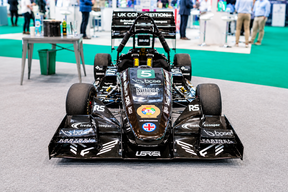
AI, automation and digital manufacturing were prominent topics at this year's Advanced Engineering exhibition. It's easy to see why. Technology is moving quickly, and manufacturers are under increasing pressure to become more productive, competitive and efficient.
But before we get too carried away with the latest technology, there's something worth considering.
How many manufacturers actually have a clear picture of what's happening on their shop floor right now?
Not what the production schedule says should be happening, or what a spreadsheet showed yesterday afternoon. What's actually happening?
Which machines are running? Which jobs are falling behind? Where is time being lost? And how much of the available production capacity is really being used?
These might sound like fairly basic questions, but getting reliable answers isn't always straightforward.
Having the Data Isn't the Same as Understanding What's Happening
Most manufacturers already have plenty of data. ERP systems, MRP software, spreadsheets and production reports all hold useful information.
The challenge is bringing it together and making it useful.
A production schedule might show that a job is due to finish on Thursday, but is it actually on track? A machine might be recorded as available, but is it running, waiting for materials or sitting idle because the next job isn't ready?
There's a big difference between knowing what should be happening and knowing what is happening.
In many factories, production information is still collected manually or spread across different systems. Production managers spend valuable time chasing updates, checking with operators and trying to establish what's really going on.
Instead of managing production, they end up managing information.
Having accurate, up-to-date information makes it much easier to identify problems early, understand where capacity is being lost and make decisions based on facts rather than assumptions.
You Don't Have to Replace Everything
One misconception about digital manufacturing is that becoming a smart factory means investing in completely new systems, machinery and infrastructure.
For many small and medium-sized manufacturers, that's neither practical nor necessary.
Most already have established ERP or MRP systems, machinery and processes that work. The opportunity is often about getting more value from what they already have.
Connecting production scheduling, machine monitoring and shop floor information can help bridge the gap between what is planned and what actually happens.
It doesn't have to be a massive transformation project either. A more gradual approach, starting with the areas causing the biggest problems, can deliver worthwhile improvements without disrupting the whole operation.
Start With Visibility
Before manufacturers can improve productivity, they need to understand where they're losing it.
Being able to see which machines are running, which are stopped and how jobs are progressing gives production teams a much clearer picture of performance.
It also helps answer some important questions:
- Are jobs being completed in the planned sequence?
- How much time are machines actually spending producing?
- Where is downtime occurring, and why?
- Is too much work sitting in progress between production stages?
- Are potential delivery delays being identified early enough?
Measures such as machine utilisation, Overall Equipment Effectiveness (OEE), Work in Progress (WIP) and on-time delivery all have a role to play.
But collecting more figures isn't the objective. It's about making that information useful, so people can identify issues and take action.
Making Smart Manufacturing Achievable
There's a tendency to associate smart manufacturing with large businesses, major investment and highly automated production facilities.
But smaller manufacturers have just as much to gain from better production visibility.
Sometimes the biggest improvements don't come from robotics or artificial intelligence. They come from understanding why machines are regularly sitting idle, why jobs keep being moved around the schedule or why production information takes so long to reach the people who need it.
These are everyday manufacturing challenges, and addressing them can make a real difference to productivity, capacity and delivery performance.
Technology should make manufacturing easier to manage, not introduce another layer of complexity.
Where Does Factory IQ Fit In?
At Factory IQ, this is very much the approach we believe in.
We help manufacturers gain better visibility and control of their production operations through tools for production scheduling, machine monitoring and performance reporting.
Whether it's tracking production progress, identifying downtime, understanding machine utilisation or keeping jobs on schedule, having the right information available makes it easier to make informed decisions.
Importantly, this doesn't necessarily mean starting from scratch. Working alongside existing systems and processes can be a much more practical way forward.
The aim is simple: help manufacturers make better use of the resources they already have.
The Future of Manufacturing Starts With Getting the Basics Right
Advanced Engineering was a good reminder of just how quickly manufacturing technology is developing. AI and automation will undoubtedly have an important role to play in the factories of the future.
But technology is only as useful as the information and processes behind it.
Before thinking about what AI might do for your factory, it's worth asking a few more immediate questions.
Do you know what's happening on your shop floor right now? Can you see where production is falling behind? Do you understand how effectively your machines are being used?
If not, that's probably a good place to start.
Because a smarter factory doesn't necessarily begin with the latest technology. It begins with having a better understanding of the factory you already have.